
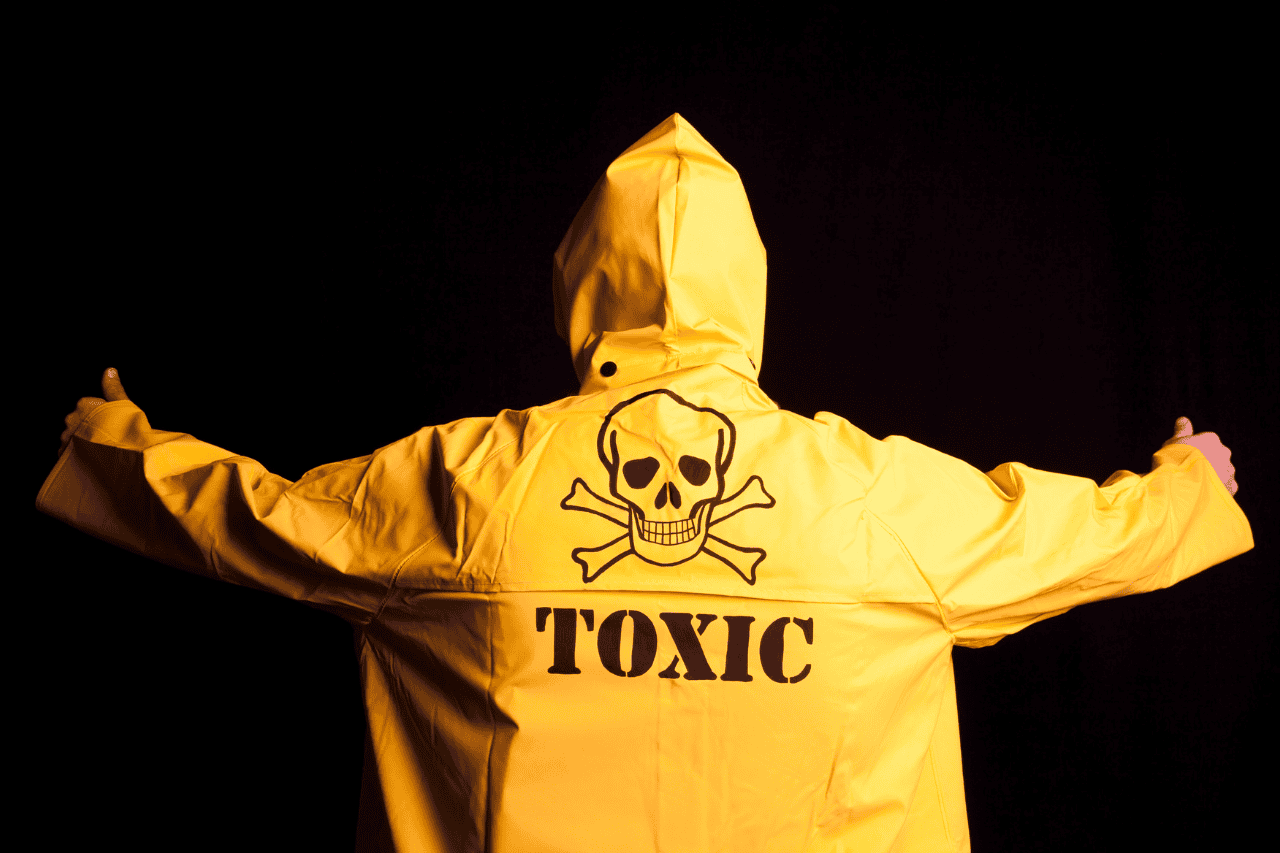
You hear “toxic masculinity” and some guys roll their eyes. They think it’s a woke insult to men. But truth is, it’s not about being masculine. It’s about being trapped in a version of manhood that’s fake. And it doesn’t just hurt women. It wrecks men from the inside out. The red pill crowd and the Trump-worship types have cranked this mindset to full volume, making it louder, angrier, and more destructive. Young men are getting pulled into this mess daily, and the cost is high.
What Toxic Masculinity Really Means
Being masculine is not the problem. Toxic masculinity is what happens when traits like toughness, control, and emotional restraint get twisted into rules you can never break. From a young age, men are told to never cry, never ask for help, and always dominate. If you show emotion, you’re called soft. If you care too much, you’re called whipped. If you admit you’re struggling, you’re told to “man up.”
This doesn’t teach resilience. It teaches denial. Over time, that denial takes a heavy toll. Research defines toxic masculinity around three traits: toughness, antifemininity, and emotional restriction.¹
The Damage to Men
The fallout is real. Men who buy into rigid masculine roles are less likely to seek help when depressed or anxious.² Instead, they often cope through alcohol, drugs, or destructive behavior. This mindset is linked to higher rates of suicide, anxiety, and substance abuse.³
Relationships suffer too. If you can’t open up, you can’t connect. Emotional suppression kills intimacy. You show up as a performance instead of a partner. When conflict comes, men trained under these rules either blow up in anger or shut down completely. That destroys trust and leaves both sides frustrated.⁴
Even friendships take a hit. Many men struggle to form close bonds because vulnerability feels like weakness. That leaves them isolated, and when life falls apart, they have no one to lean on.⁵
The Online Influence: Red Pill and Rage
When you’re isolated and angry, the internet steps in. Red pill communities promise answers. They claim society is rigged against men, that women are shallow and manipulative, and that domination is the only path to power. What looks like truth-telling is just bitterness dressed as wisdom.
Research shows that red pill communities don’t just complain about women. They also serve as gateways to far-right politics and more extreme worldviews.⁶ They pull men deeper into resentment, convincing them that empathy is weakness and compassion is betrayal. That is not manhood. That is fear recycled as content.
Trump: The Mascot of Toxic Masculinity
Donald Trump did not invent toxic masculinity, but he became its most famous salesman. From mocking the disabled, to bragging about assault, to shaming women’s looks, his whole persona is built on dominance and disregard. Red pill communities and online forums openly celebrated his rise. In 2016, many called his win a victory for “real men.”⁷
For young men watching, this normalized cruelty. It taught that power comes from belittling others, that being shameless is a strength, and that empathy is weakness. When the most powerful man in the country acts this way without consequence, it gives cover for others to follow.
Why Young Men Are Falling For It
Algorithms make this worse. Platforms flood boys with videos about being alpha, rejecting emotions, and controlling women. Without strong mentors or community, this becomes their idea of masculinity. A recent study found that nearly 70 percent of boys are regularly exposed to digital content pushing harmful masculine stereotypes.⁸
That constant exposure shapes a generation into thinking dominance is strength and connection is weakness. It’s not guidance. It’s manipulation.
What Healthy Masculinity Looks Like
There is another way. Healthy masculinity is not about being soft. It is about being balanced. It means you can feel without shame, take responsibility without cruelty, and lead without domination. It means building community instead of pushing people away.
Real strength is showing up when it’s hard, admitting when you’re struggling, and refusing to let pride destroy your relationships. Vulnerability is not weakness. It is honesty. And that honesty is what makes men resilient.⁹
Bottom Line
Toxic masculinity is not making men stronger. It is making them lonelier, angrier, and more disconnected. The red pill and Trump’s bravado may look like answers, but they are shortcuts that leave men stuck. If we want something better, we need to call out the poison and replace it with something real.
Masculinity should not be a cage. It should be a choice. And it is time men chose strength built on truth, not on fear.
Footnotes:
Frequently Asked Questions
What is toxic masculinity?
Toxic masculinity refers to cultural expectations that men must always be tough, emotionally restricted, dominant, and dismissive of anything considered “feminine.” These rigid standards harm men by discouraging vulnerability and healthy emotional expression, often leading to isolation, anger, and poor mental health.
How does toxic masculinity affect men?
It damages men’s mental health, relationships, and self-worth. Men are less likely to seek therapy, more likely to bottle up feelings, and often struggle to form close friendships. Studies show these patterns increase risks for depression, anxiety, and substance abuse.
Is masculinity itself toxic?
No. Masculinity itself isn’t toxic — but when it’s tied to rules that shame emotional honesty or encourage domination, it becomes harmful. Healthy masculinity supports strength with balance, responsibility with compassion, and leadership without control.
How does Donald Trump promote toxic masculinity?
Trump’s public behavior — including mocking others, bragging about sexual assault, and encouraging dominance — aligns with the traits of toxic masculinity. His rise has been celebrated in red pill spaces for reinforcing the belief that cruelty and ego are signs of strength.
What is the red pill movement?
The red pill movement is an online subculture that promotes traditional gender roles, anti-feminism, and male superiority. While marketed as “truth-seeking,” it often leads to resentment, misogyny, and emotional suppression. It’s widely considered part of the broader “manosphere.”
Why are young men drawn to toxic masculinity?
Social media algorithms flood young men with content glamorizing alpha male behavior, emotional coldness, and domination. Without strong male role models or emotional support systems, many young men mistake this behavior for strength or success.
What does healthy masculinity look like?
Healthy masculinity means being emotionally aware, responsible, and grounded. It encourages men to express themselves, support others, and lead with integrity. It values connection over control, and growth over ego.
Can men reject toxic masculinity and still be strong?
Absolutely. True strength is the ability to feel, grow, protect, and connect without shame. Rejecting toxic patterns doesn’t make you weak — it makes you real. And real is what the world needs more of.