
A non-invasive breakthrough in men’s health from Johns Hopkins researchers
Prostate cancer is the second leading cause of cancer-related death in men in the United States. For decades, the go-to screening method has been the PSA blood test, but it’s far from perfect. It often leads to invasive biopsies, many of which turn out to be unnecessary. But a new study out of Johns Hopkins University might change everything.
What’s New: A Simple Urine Test for Prostate Cancer
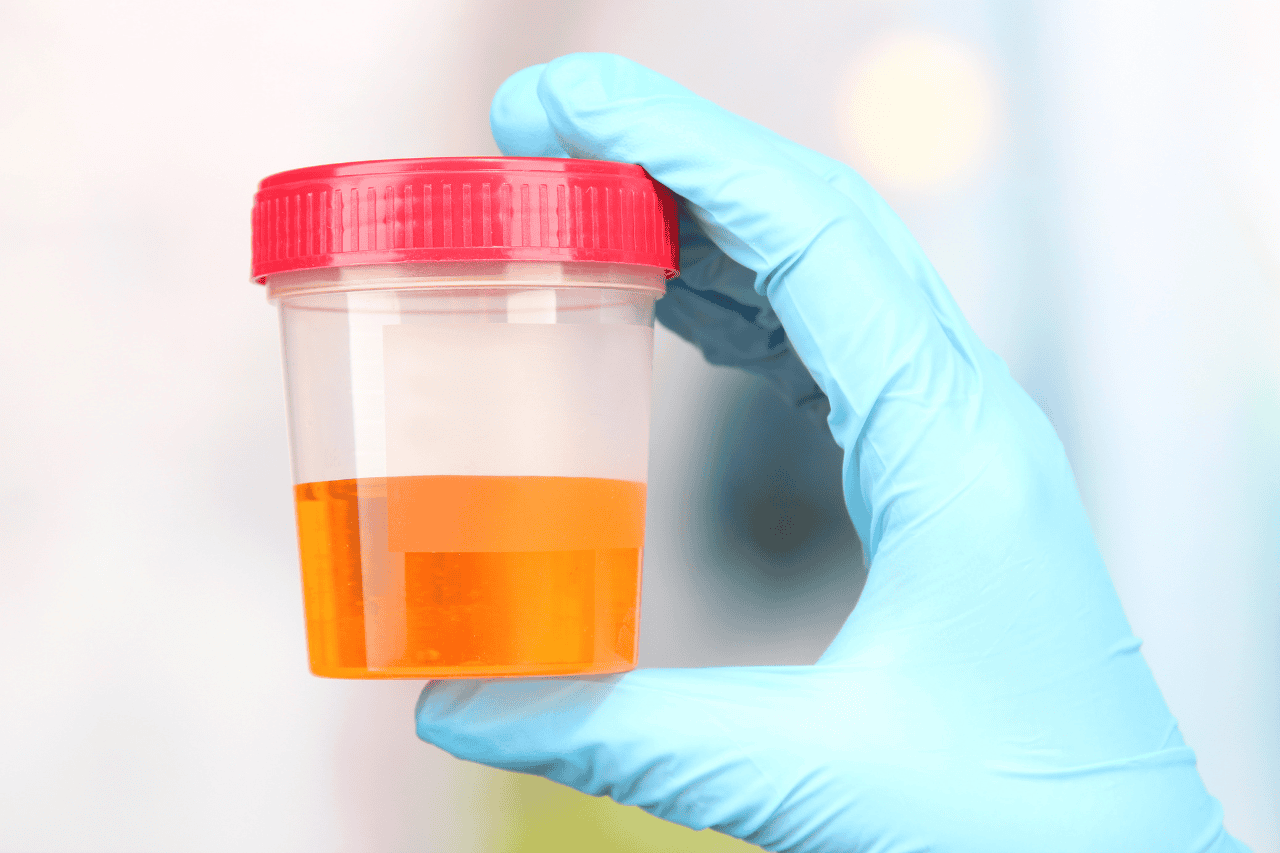
Researchers have developed a urine-based test that detects prostate cancer more accurately and less invasively than traditional methods. By analyzing urine samples from both cancer patients and healthy individuals, scientists identified a set of three biomarkers—TTC3, H4C5, and EPCAM—that reliably indicate the presence of prostate cancer.
Unlike the PSA test, which can be elevated for a number of reasons including inflammation or an enlarged prostate, this new test is far more specific to cancer. The study showed these biomarkers disappear after the prostate is removed, confirming their direct link to prostate cancer.
Why This Matters: Accuracy and Less Invasive Testing
The current standard for diagnosis after a PSA alert is a prostate biopsy, which involves inserting multiple needles into the prostate to collect tissue samples. This procedure can be painful, lead to infections, and cause serious anxiety. In many cases, these biopsies find nothing, or detect very low-risk cancers that don’t require aggressive treatment.
This new urine test could dramatically reduce the need for those biopsies. It also caught prostate cancers in men whose PSA levels were in the normal range, which could help identify cases that might otherwise be missed.
Key Highlights From the Study:
-
Over 1,300 urine samples analyzed across multiple institutions
-
Biomarkers accurately detected cancer before surgery and dropped after prostate removal
-
Test differentiated cancer from benign prostatic hyperplasia (BPH) and prostatitis
-
Outperformed existing urinary biomarker PCA3 in detection rates
What’s Next for This Urine-Based Cancer Test?
The research team is moving toward clinical development. They’ve filed a patent, and Johns Hopkins Technology Ventures is helping launch a company to bring this test into the healthcare system. The goal is to make it available for use in routine screenings, either as a standalone option or paired with PSA for a more comprehensive diagnostic tool.
Takeaway for Men’s Health
If you’re over 40 or have a family history of prostate issues, this test could soon offer a more accurate, less invasive way to check for cancer. No needles. No guesswork. Just one urine sample that could give you peace of mind—or an early warning when it matters most.
When this test becomes available, ask your doctor about it. Early detection saves lives. And this test might be one of the most promising tools we’ve seen in years.